
Ephesians 6:17
And take the helmet of salvation, and the sword of the Spirit, which is the word of God:
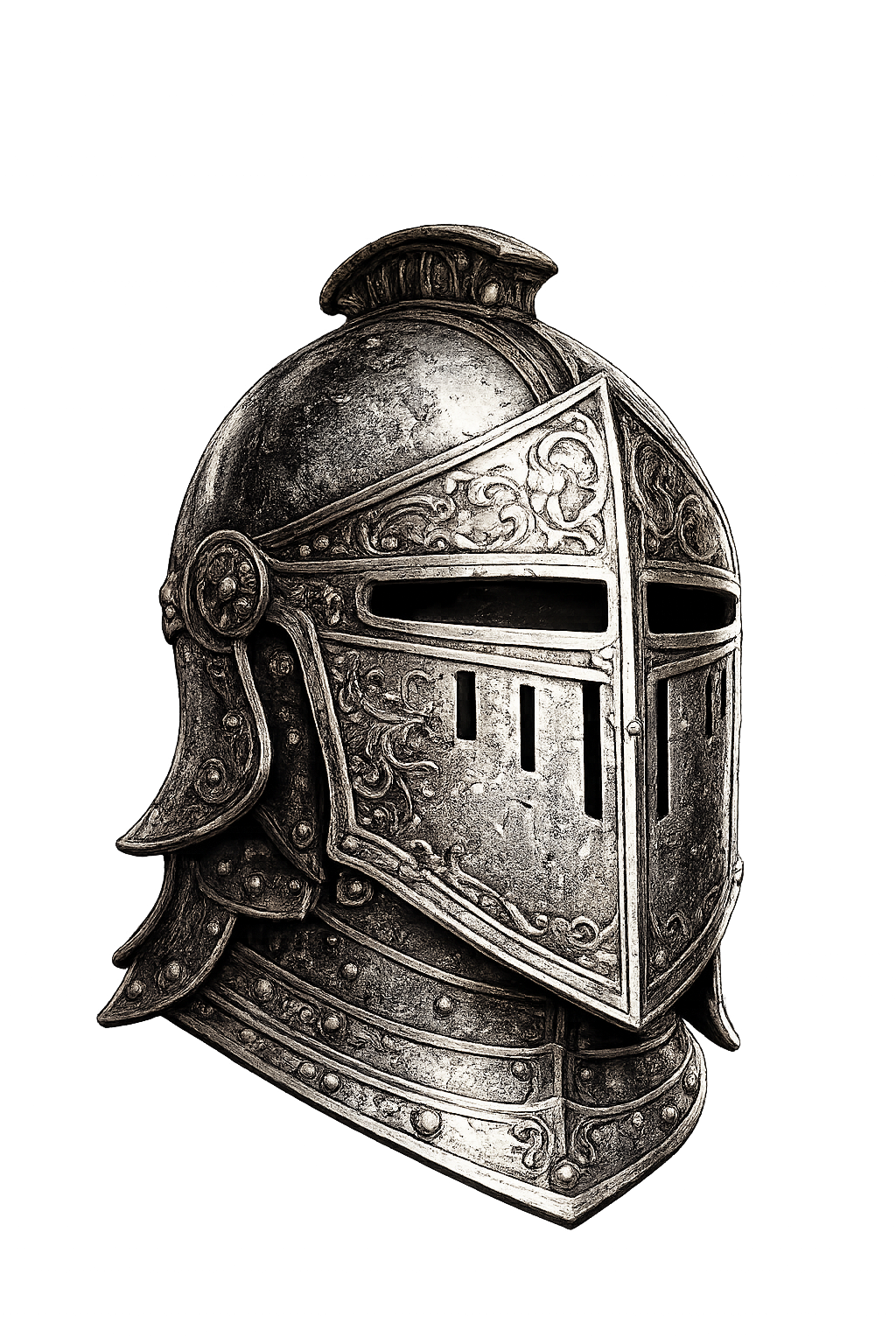
The helmet guards the head, the seat of the mind, and it is precisely there, in the realm of thought and reasoning, that the adversary most persistently assaults the believer's assurance. Paul, writing again to a Body of Christ church, calls this piece of armor the hope of salvation when he describes it to the Thessalonians, putting on... for an helmet, the hope of salvation (1 Thessalonians 5:8), and that word hope is telling; it is not uncertainty but settled expectation of what has already been secured though not yet fully realized. This is not the salvation held out to Israel under the kingdom program, tied to enduring unto the end amid tribulation in order to be saved in the day of the Lord (Matthew 24:13), nor a salvation that hangs in suspense upon faithfulness under a future covenant. It is salvation belonging to the mystery, sealed the moment the sinner trusts Paul's gospel, after that ye believed, ye were sealed with that holy Spirit of promise, which is the earnest of our inheritance until the redemption of the purchased possession (Ephesians 1:13-14).
Because this salvation was sealed by the Spirit at the moment of belief and is guaranteed by God's own earnest, the helmet cannot be knocked loose by the mind's fluctuating feelings, failures, or fears. The believer's confidence for the future, glorification, the redemption of the body, being conformed to the image of his Son (Romans 8:23, 29), is not something he must anxiously secure by continued performance, the way a man under the kingdom program looked toward enduring hardship to be saved at Messiah's appearing. Rather, whom he did predestinate, them he also called: and whom he called, them he also justified: and whom he justified, them he also glorified (Romans 8:30), a chain already completed in God's reckoning, spoken of in the past tense before the believer even sees it fulfilled. The adversary's fiercest darts aimed at the head are doubts: whether one might yet be lost, whether final salvation depends on some future performance still uncertain. The helmet turns every such dart aside, because the hope it protects is not wishful thinking but a hope which maketh not ashamed (Romans 5:5), grounded in a finished sealing rather than an unfinished probation.
To wear this helmet practically is to discipline the mind to think according to this settled hope rather than according to feeling, circumstance, or the accuser's suggestions, bringing into captivity every thought to the obedience of Christ (2 Corinthians 10:5) and setting the affection on things above (Colossians 3:2), where this hope is laid up... in heaven (Colossians 1:5). The believer who does not know his salvation is secured by grace through faith, not of works, lest any man should boast (Ephesians 2:8-9), fights with an exposed head, vulnerable to every doubt that suggests he must still earn or maintain what Christ and the Spirit have already sealed. But the one who has settled in his mind the futurity and certainty of that hope, resting on the finished sealing rather than a probationary endurance, stands with the last piece of defensive armor firmly in place, ready now to take up the sword of the Spirit and stand in the evil day (Ephesians 6:13, 17).