Ephesians 6:17
And take the helmet of salvation, and the sword of the Spirit, which is the word of God:
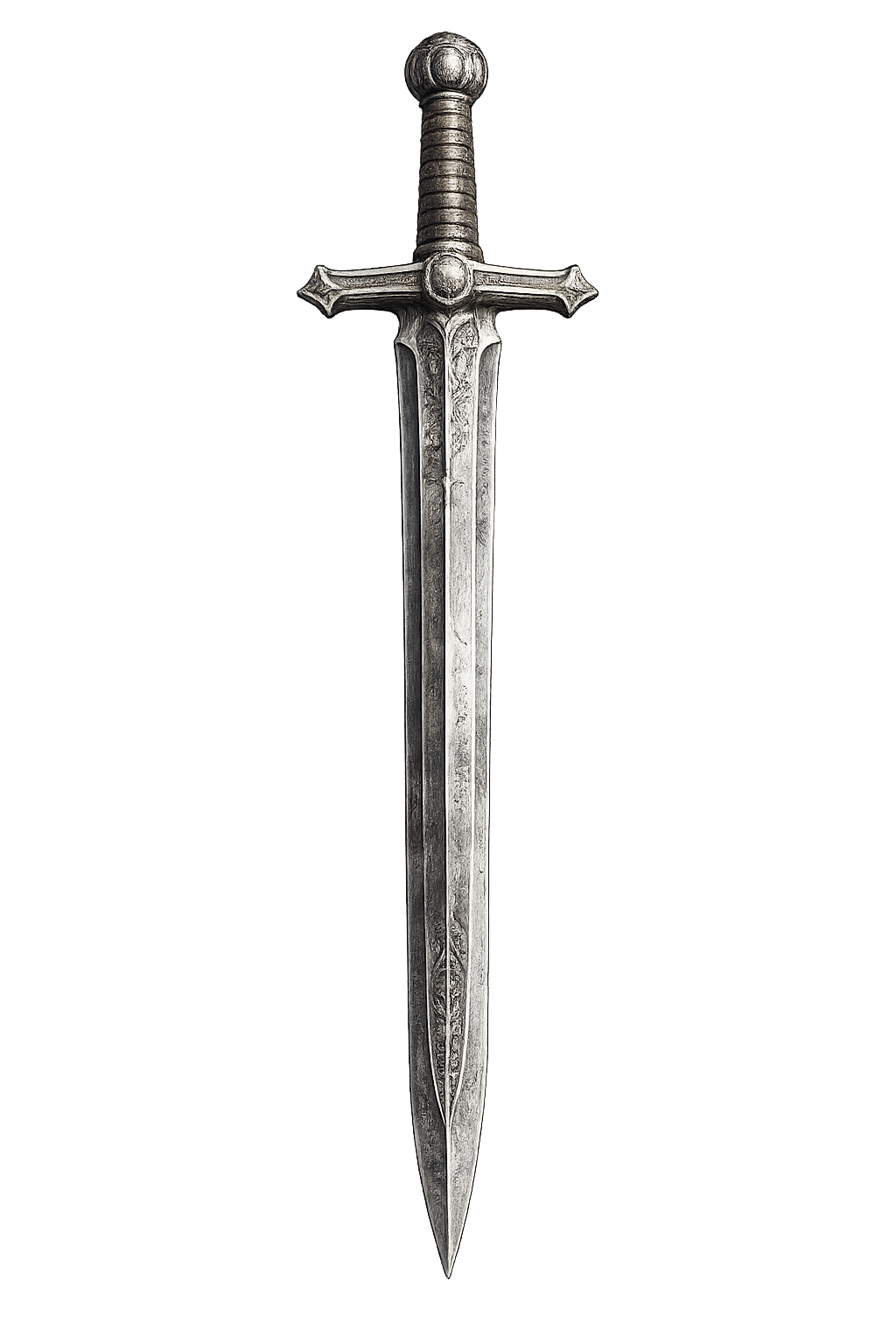
Of all the pieces named, the sword stands alone as the one weapon of offense, and Paul is careful to specify precisely what it is: not scripture in the undifferentiated sense, but the word of God rightly handled, for the workman that needeth not to be ashamed, rightly dividing the word of truth (2 Timothy 2:15). All scripture is given by inspiration of God, and is profitable (2 Timothy 3:16), yet not all of it strikes the same target in the same dispensation; the law given at Sinai, the kingdom instructions given the twelve, the prophecies yet to be fulfilled for Israel, and the mystery committed uniquely to Paul for the Body of Christ are not interchangeable blades to be swung at random. A sword mishandled, applied to the wrong battle, cuts the wielder rather than the foe; a believer attempting to fight present spiritual warfare with kingdom law, earthly promises, or instructions never addressed to him finds the blade useless in his hand, however sharp it may be in its own setting.
Rightly divided, however, the sword becomes exactly what the writer to the Hebrews describes of the word generally, quick, and powerful, and sharper than any twoedged sword, piercing even to the dividing asunder of soul and spirit, and of the joints and marrow, and is a discerner of the thoughts and intents of the heart (Hebrews 4:12), and for the Body of Christ that cutting edge is Paul's doctrine of the cross, of grace apart from works, of the one body reconciled in one body by the cross (Ephesians 2:16), of the mystery hid from ages... but now is made manifest to his saints (Colossians 1:26). This is the blade that answers every fiery dart already named: against the accusation that grace is insufficient, the sword cuts with by grace are ye saved through faith... not of works (Ephesians 2:8-9); against confusion mixing programs, it cuts with the plain testimony of a dispensation of the grace of God... given me to you-ward (Ephesians 3:2); against the wiles of the devil generally, it cuts with sound words which thou hast heard of me (2 Timothy 1:13).
To take up this sword practically is to know Paul's epistles thoroughly enough to draw the right word for the right moment, not groping after a verse detached from its dispensational setting but wielding doctrine already rightly divided in the mind through study. It is offensive, not merely defensive like the shield or breastplate; the believer does not simply absorb the enemy's assault but advances, refuting error, establishing hearers, and cutting straight the path of truth amid confusion, holding forth the word of life (Philippians 2:16). Armed this way, with loins girt, breastplate on, feet shod, shield raised, helmet fastened, and now sword in hand, the saint stands equipped to withstand in the evil day, and having done all, to stand (Ephesians 6:13), the whole armor completed in this one piece that turns a stationary defense into a soldier able to press the fight.